Category: blog | adventure | travel | best state parks listPage 2 of 4
I follow a travel blog called The Discoverer. They did an article and identified the Best State Park in each State. I don’t know what the criteria was in selecting the Best State Park, but I am on a quest to visit each one. I will let you know how each park stacks up at being the Best!
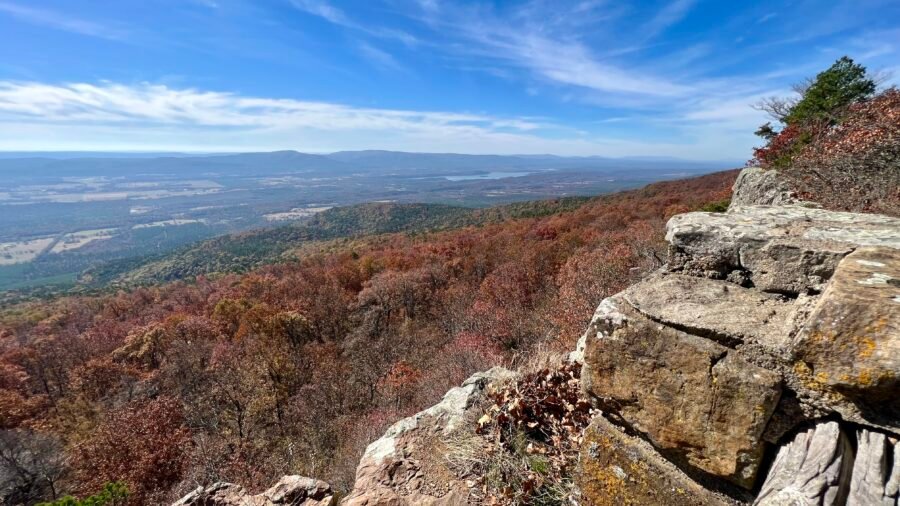
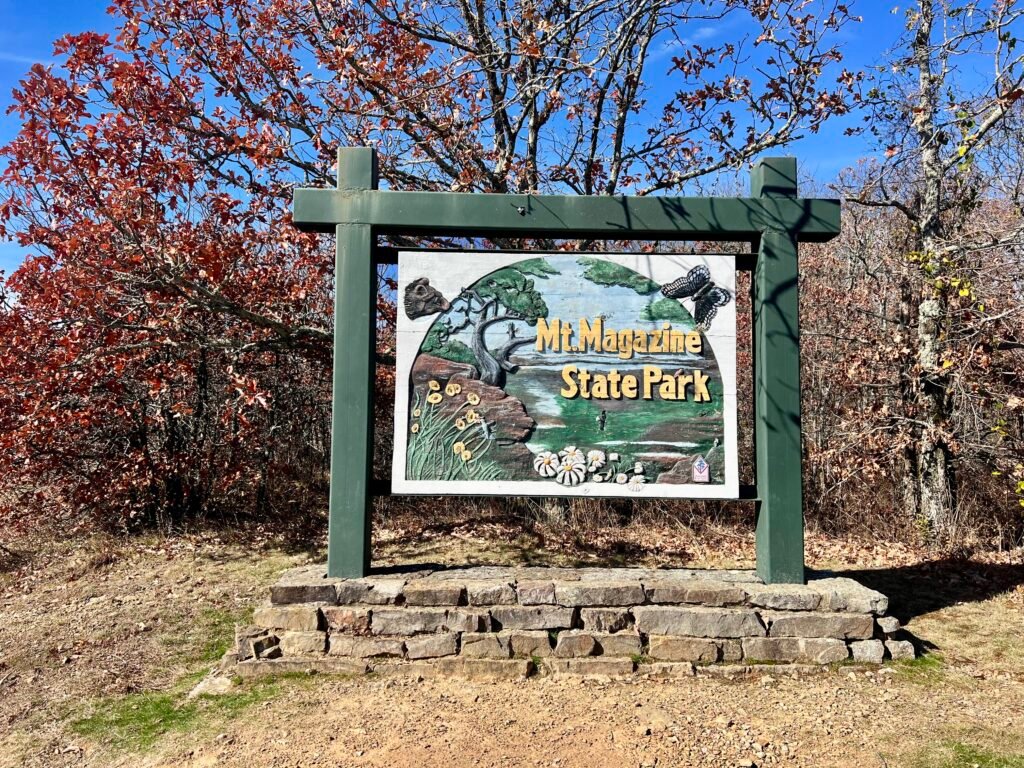
Since Mount Magazine and Signal Hill (the highest natural point in Arkansas) are both located within Mount Magazine State Park — which is on my list as the Best State Park in Arkansas — I decided to cover them together in one blog post.
Cape Henlopen State Park is a fascinating park, that offers so many different experiences and is worthy of visiting on multiple days. In fact, I would suggest using Lewes, Delaware or another nearby city as a vacation hub – Cape May, New Jersey (blog post coming soon) is a short ferry ride across the bay and Assateague State Park and Assateague Island National Seashore are about an hour away. There is so much to do in the area.
Picture: Park Entrance
A Guys Day
I specifically came to Lewes, Delaware to visit my friends Amanda and Phil. We all took the short trip to Assateague State Park and had a blast. However, on this day, Amanda had to work, so it was just Phil and I for a guy’s day out. That morning both Phil and I had a little work to finish before we headed out. I also made a little breakfast nosh, Smoked Salmon & Avocado Toast with Everything But the Bagel Seasoning. Delish! On the way to the park, we stopped by to see Amanda at the local Golf Club she bartends for a Bloody Mary. Let’s get this party started!
Picture: Smoked Salmon & Avocado Toast
About the Park
Cape Henlopen State Park, nestled on Delaware’s picturesque coast, offers a captivating blend of natural beauty and recreational opportunities. Spanning over 5,000 acres, this coastal gem boasts pristine beaches, rolling sand dunes, and lush maritime forests. Outdoor enthusiasts can explore a network of scenic trails, ideal for hiking and biking, while birdwatchers delight in the park’s diverse avian inhabitants.
History buffs can explore the iconic World War II observation towers that stand as silent sentinels along the shoreline. The park’s centerpiece, the historic Fort Miles, provides a fascinating glimpse into the region’s military past. Visitors can also indulge in water activities, from swimming in the Atlantic to fishing and kayaking in the park’s tidal salt marshes. With its rich ecological diversity and recreational charm, Cape Henlopen State Park beckons nature lovers and adventure seekers alike to discover the magic of Delaware’s coastal wonders.
Pictures: Park Maps were the focus of our visit, specifically the left-hand map.
Top 5 Activities
Explore the Beaches: Cape Henlopen State Park offers pristine beaches along the Atlantic Ocean. Visitors can relax on the sandy shores, swim in the refreshing waters, or engage in beachcombing and seashell collecting.
Hiking and Biking Trails: The park features an extensive network of scenic trails, including the popular Gordon’s Pond Trail and the Seaside Nature Trail. Hikers and bikers can immerse themselves in the park’s diverse landscapes, from coastal dunes to lush forests.
Visit Fort Miles: History enthusiasts can explore the historic Fort Miles, which played a crucial role in coastal defense during World War II. The fort features bunkers, observation towers, and informative exhibits, providing a fascinating glimpse into the area’s military history.
Birdwatching: Cape Henlopen is a haven for birdwatchers, offering diverse habitats for numerous bird species. Bring your binoculars and observe the variety of shorebirds, songbirds, and raptors that inhabit the park, especially during migratory seasons.
Water Activities: The park’s coastal location provides opportunities for various water activities. Fishing enthusiasts can try their luck from the fishing pier, and kayakers can explore the tidal salt marshes. The park’s natural beauty is best experienced from the water, adding an extra layer of adventure to your visit.
Reliving our Childhood
Both Phil and I grew up in an era of G.I. Joe and are both history buffs, so our first stop was Fort Miles. We had also visited Cape May, New Jersey the day before, where we initially learned about the observation towers and gun bunkers in the area. When visiting the park you have to go up into one of the Observation Towers. The observation towers have a rich history dating back to their construction during World War II when they served as lookout posts for coastal defense. These towers played a crucial role in monitoring the Delaware coast for potential enemy activity. Triangulation techniques were employed in their design, ensuring precise alignment and effective surveillance capabilities during their wartime function. Today, the observation towers are iconic landmarks, offering breathtaking panoramic views of the surrounding area.
Pictures: One of the Observation Towers | About the Observation Towers
Pictures: Spiral Staircase to the Top | Selfie on the Top of the Tower
Pictures: Views from the Observation Slots
Picture: View from the Observation Slots with the main gun battery
Battery 519
From the parking lot, it is a short walk to Battery 519, a 15,000-square-foot fortified underground chamber. Today, the main battery houses the Fort Miles Museum. Along the initial part of the walk, you’ll pass some of the original barracks and several of the weapons that were used to protect the fort and the coast. And of course, our inner childhood came out. . .
Pictures: The Barracks area and some of the weapons used to protect the fort.
Pictures: Boys will be Boys
As you walk up to the main bunker and Museum, you’ll see a couple of the guns used to protect the coast during WW II. The largest gun on display actually came from the USS Missouri, Mighty MO. This massive gun could shoot a 2700-pound shell over 20 miles with pinpoint accuracy. And you can see the damage such a shell can make on the thick steel of a Japanese ship during the war.
Pictures: Mighty Mo’s Big Gun | A shell and the type of damage it did to a Japanese ship
Picture: One of the guns used to protect the coast
Pictures: Fort Miles Museum
Pictures: Views from the Museum terrace
Beach Time
From Fort Miles, we continued our loop around the park and headed for the Senator David B. McBride Beach Bathhouse. It is a gorgeous facility with a boardwalk to the beach. I can only imagine how busy this place must be in the summer – remember our visit was at the beginning of November.
Pictures: McBride Beach Bathhouse | Boardwalk to the Beach
Pictures: Pillar on the Beach | Only the Shadows Know
Picture: The serenity of the beach
Birds of Prey
Right next to the Bathhouse area, you can spot the Cape Henlopen Hawk Watch Tower. This spot used to be a military bunker, but now it’s a great place to watch different types of raptors fly by. It’s pretty neat that they keep count of all the birds they’ve seen yesterday and overall. So if you’re interested in birdwatching, this is the perfect spot!
Pictures: The Bunker beneath the Hawk Watch | The Hawk Watch Tower
Pictures: Daily and To Date Raptor Sightings | View from the Hawk Watch Tower
The Point
Next up, my favorite part of the park – The Point. The beach was so chill and beautiful! We didn’t have enough time to check the whole thing out, though. Next time, I’d love to take a longer hike out to the point. We noticed a ton of horseshoe crab shells scattered around the beach. Later, we learned that the Delaware Bay and the area off of Cape Henlopen has the world’s largest spawning population of horseshoe crabs, which are the official State Marine Animal. They look like they’re straight out of the movie Predator, pretty cool! We also got to see a couple of other native crabs that were still alive.
Picture: The walk down to the beach from The Point parking lot
Pictures: A couple of the Horseshoe Crab shells
Pictures: Some of the other crabs we saw, per Google Lens – Lady Crab (r) and Ghost Crab (l)
Picture: Looking out to the Point
Last Stop – The Fishing Pier
The fishing pier at Cape Henlopen State Park offers a stunning view of the Delaware Bay, with sights of the Ferry port, The Point, a lighthouse, and Cape May, New Jersey. I met several fishermen on the pier who had caught Tautog or Blackfish that day, a fish species that is popular in chowders and similar to Red Snapper. I highly recommend a visit to Cape Henlopen State Park for a great day out!
Historic Downtown Lewes
After a long day, we hit up historic downtown Lewes for a refreshing libation and snack at the Pink Pony, the bar at Bramble & Brine at The Butttery. It’s a super cute bar with hundreds of equestrienne ribbons, and definitely worth checking out when you’re in Lewes.
Pictures: Historic Lewes, Delaware
Pictures: Bramble & Brine at The Buttery | The Pink Pony Bar and Equestrienne Ribbons
Pictures: Crab au Gratin | Older Old Fashion | Yumsies Humsies
I was well overdue on visiting Lewes, Delaware to see longtime friends Amanda and Phil, and when the opportunity came up, I immediately headed East. I mentioned that there were two parks I wanted to visit on the Discoverer’s List of the Best State Park in Each State. Amanda immediately jumped on the opportunity to visit Assateague State Park as it had been on her list of places to visit. With our cooler full and a beautiful day in the forecast, we headed south on the scenic Coast Highway to Maryland. The drive was just over an hour and as we drove through one town after another, I was amazed at the number of miniature golf courses along the way.
I’ve shared a bit about the park, ponies, and wildlife in the next sections. So feel free to skip through and jump to my notes about my visit and about Assateague National Seashore.
About the Park
Assateague State Park, Maryland’s only oceanfront park, is located on Maryland’s eastern shore and is known for its breathtaking coastal beauty and unique wildlife, particularly its famous wild ponies. These wild horses, known as Chincoteague Ponies, freely roam the park’s beaches, marshes, and woodlands, creating a distinctive and enchanting atmosphere for visitors. The ponies are believed to be descendants of shipwreck survivors and have adapted to the island’s dynamic ecosystem. Visitors can observe these majestic creatures in their natural habitat, providing a rare and memorable wildlife encounter. Assateague State Park spans 855 acres and offers a range of recreational activities, including camping, hiking trails, bird watching, and pristine sandy beaches for swimming and relaxation. The combination of natural beauty and the presence of these iconic wild ponies makes Assateague State Park a must-visit destination for nature enthusiasts and those seeking a unique connection with the untamed charm of coastal wilderness. Fees: Memorial Day weekend through Labor Day $5/person | After Labor Day to Memorial Day weekend $5/vehicle.
Picture: Entrance on Assateague Island
About the Ponies
There are two herds; one in Maryland and one in Virginia. There are approximately 78 in the Maryland herd and about 150 in the Virginia herd. A contraceptive darting program may be used with the Maryland horses to keep the population size to a sustainable number.
Local lore experts theorized the ponies arrived on the island via a shipwrecked vessel in the late 18th or early 19th century. Others attribute their arrival by pirates drawn to the island who ultimately abandoned the animals. A more likely theory is that farmers in colonial times used the island for grazing areas to avoid paying taxes on the land.
The National Park Service manages the herd of ponies at the northern end of Assateague Island. The separate herd in Virginia is owned by the Chincoteague Volunteer Fire Department, which sponsors the annual pony penning and swim every July.
The ponies’ diet consists mainly of marsh and dune grasses. Their water comes from the freshwater ponds located on the island. They are true horses, and not actual ponies, who have adapted to the diet and life on Assateague. During the winter their coats become quite thick to protect them from the harsh winds. Their short, stocky build allows them to navigate the marshes and to store water efficiently.
Other Wildlife
Assateague Island, situated on the Atlantic flyway, is a bird-watcher’s paradise. Over 200 species of birds have been sighted here, ranging from gulls to herons, egrets to eagles, and even rare peregrine falcons and snowy owls. The most commonly seen birds include ospreys, herons, egrets, sandpipers, shorebirds, ducks, geese, and other waterfowl. There are also two types of deer on the island, whitetail and sika.
The ocean and bay that surround the island are full of life. Dolphins can often be seen playing in the waves of the ocean. Flounder, spot, sea trout, puffer, rockfish, croaker, red drum, and bluefish are residents of the area, while marlin and tuna can be found in the deeper waters offshore. Occasionally, seals, whales, sand sharks, and sea turtles wash up on the shore.
My Visit to the Park
Our first stop before we crossed over to Assateague Island, we stopped at the Assateague Island Visitor Center, which is operated by the National Park Service (NPS). The visitor center has a lot of information about the history of and wildlife on the island, as well as a book and souvenir store shop. Assateague State Park encompasses only a small portion of the island, while Assateague Island National Seashore encompasses the majority of the island. Since this is operated by the NPS, we didn’t get much information about the park but did ask where there were pony sightings. The area around the visitor center offers some spectacular views of the Sinepuxent Bay.
Picture: Assateague Island Visitor Center
Pictures: Outdoor Map at the Visitor Center – if you zoom in on the picture to the left, you can see how small the State Park is relative to the Island.
Picture: Sinepuxent Bay
Let’s find some Ponies!
We headed across the Verrazano Bridge and over Sinepuxent Bay to the State Park and as soon as we got to Stephen Decatur Memorial Road, we saw our first ponies. We then continued straight and into Assateague State Park where we parked, paid our $5, and to our surprise, there was a lone horse just standing in the parking lot! The State Park has a beautiful beach, the 5 Tides Restaurant and Shop (which was closed for the season), and numerous camping sites. We headed to the beach to see if we could get a glimpse of the ponies on the beach, but there were none, just a bunch of surfers. We also walked along the road through the campgrounds (which was empty) in search of more ponies, but only found evidence of them in the form of Horse “Muffins.”
Picture: The lone pony in the parking lot.Picture: Assateague State Park Beach
Pictures: Beach Access from the Campgrounds | Horse “Muffins”
Picture: Campground with Bathroom and Shower Facilities
Ponies Sighting!
We decided to head out and see if we would have better luck at the Assateague Island National Seashore, so we headed back to the car and then south on Stephen Decatur Memorial Road. And to our surprise, as we left the parking lot, we saw the horse that was in the parking lot, now grazing by the roadside. Then as we turned left onto Stephen Decatur Memorial Road, we saw another pony!
Pictures: The Ponies!
Assateague Island National Seashore
As we approached the entrance to the National Seashore, there was a line of cars paying the entrance fee. I was a bit shocked at the cost of $25 per vehicle for 7 days (Although I swear it was $35). Anyway, I knew I was about to embark on a trip across the country, so I decided to renew my America the Beautiful Pass ($80 for the year), which gave us access to the park. I should note that if you arrive by foot or bicycle, there is no fee. Hint: Perhaps bring your bike, park at the state parking lot for $5, and ride your bike into the National Seashore.
Picture: Entrance to Assateague Island National Seashore
We decided to hike two trails while we were there – the Life of the Marsh Trail and the Life of the Forest Trail. The Life of the Marsh Trail takes you on an elevated boardwalk winding above the wetlands and mudflats and also takes you out to Sinepuxent Bay.
Picture: Sinepuxent Bay from Assateague Island
Pictures: Me, Amanda, and Phil | The Wetlands
We ran into a bunch of people during our hike and asked them if they had spotted any ponies. Then we got lucky – someone told us that there were several ponies on the Life of the Forest Trail! So we set off on our mission to see more ponies. The trail was a beautiful one that took us through the woods and eventually led us to a boardwalk with a view of a marshy area. Even though we didn’t spot any ponies on the trail as we had hoped, we did manage to see a few off in the distance. Our goal was still to see the ponies on the beach, so we moved on to the Life of the Dunes Trail. This trail took us through the dunes and along the beach. I was pretty sure that with all the trees and “hiding” places, we would definitely spot some ponies here – but no luck! We were still happy to have seen a couple of the ponies and decided to head out. But before we drove too far, we spotted another pony! With our day complete, we headed back north to grab a bite to eat. I enjoyed our trip to Assateague State Park and the Assateague Island National Seashore and would highly recommend it. On my next visit, I would spend more time on the beach relaxing.
Pictures: From the Life of the Forest Trail
Picture: The Beach from the Life of the Dunes TrailPicture: Our Final Pony Sighting
We had lunch in Selbyville, Delaware, just across the Maryland/Delaware border at Catch 54. My meal was a bit of a dichotomy – we all shared Crab Dip Loaded Tots and then I had the Roasted Beets with Pistachios, Grapefruit, Goat Cheese Mousse, and a Ginger Vinaigrette along with a refreshing Thompson Island IPA. Next up on my list to visit – Cape Henlopen State Park in Lewes, Delaware, and I also made a trip to Cape May, New Jersey.
In my previous post about Mount Mansfield, I mentioned that the weather was not ideal for camping, and hotel rooms were expensive. As a result, I decided to stay in a hostel named Round Hearth Cafe and Market in Stowe, which I booked through Airbnb. Christopher, the host, was extremely friendly and an excellent host at the cafe as well. Additionally, the stay included complimentary coffee and a discount on food at the cafe. The hostel is not luxurious and is mainly intended for skiers, as indicated by the industrial carpet in the hallways (suitable for ski boots and snow). The rooms are plain but comfortable, and the shared bathrooms are super clean and well-lit. Since it was the off-season, I felt like I had the entire place to myself.
Pictures: Entrance to the Cafe and Hostel | Outdoor Seating Area
Pictures: Stairway to Rooms | Upper Hallway
Pictures: Hostel Room | Men’s Bathroom
That night, I decided to check out the area and found the Idletyme Brewing Company which was just down the road. I hung out in the bar area and had a chat with some of the locals. We talked about what to order for dinner and what to see at Smugglers Notch State Park. But then, an ambulance went by and they told me something creepy – apparently, the locals think someone has fallen at Bingham Falls every time they hear an ambulance. On that happy note, I had a great time and the food was pretty good.
Pictures: Idletyme Brewing Co. | Doubletyme IPA 7% | Fish and Chips
Work First, then a Hike
The next morning I had to do some work for a client, so I had breakfast in the cafe downstairs and worked on my project. It took a bit of time to complete, but there was still some daylight and I decided to head to the dreaded Bingham Falls – only a 5-minute drive up Mountain Road to the Trailhead.
Pictures: The Double Diamond Breakfast Sandwich with Avocado and Home Fries | The Cafe Interior
Pictures: The Round Hearth | Round Hearth Cafe Interior
First, a little about the park
Nestled in the heart of Vermont, Smugglers Notch State Park is a nature lover’s paradise that seamlessly blends breathtaking landscapes with outdoor adventure. Spanning over 1,000 acres, the park is a haven for hikers, boasting an extensive trail network that caters to all skill levels. Towering cliffs and dense forests create a picturesque backdrop, offering a serene escape from the hustle and bustle of everyday life. The park’s crown jewel, the famed Smugglers Notch, is a scenic mountain pass that weaves through rugged terrain, providing an exhilarating journey for those seeking a challenge. Visitors can relish in the park’s rich history, discovering tales of smugglers who once navigated these hidden paths. Whether you’re a seasoned trekker or a casual stroller, Smugglers Notch State Park invites you to explore its vast beauty and uncover the secrets held within its sprawling expanse.
Pictures: Trail Map | Trail Descriptions
There’s a reason it’s called Smugglers Notch
In 1807, President Thomas Jefferson passed an embargo act forbidding American trade with Great Britain and Canada. This was a severe hardship for northern Vermonters since Montreal was closer than other markets in the US. Many local people continued illegal trade with Canada, herding cattle and carrying other goods through the Notch. Later, fugitive slaves used the Notch as an escape route to Canada. During the Prohibition years, liquor was smuggled from Canada over the improved road built in 1922.
Top 5 Things to See
Smugglers Notch: The iconic mountain pass itself is a must-see. Marvel at the breathtaking rock formations and immerse yourself in the rich history of the area, where 19th-century smugglers once navigated through this hidden gem.
This is not hard to miss as the road runs right through the notch.
Sterling Pond: Hike to the pristine Sterling Pond, the highest trout pond in Vermont. Surrounded by mountains, this alpine lake offers a serene setting for picnics and a chance to connect with nature.
Compete – more later in the post.
Bingham Falls: A natural wonder awaits at Bingham Falls. Cool off in the refreshing cascades and pools, surrounded by lush greenery. It’s a perfect spot for a rejuvenating dip after a day of hiking.
Despite the warnings – I checked this off the list.
Long Trail: Traverse a section of the famous Long Trail, which runs through the park. Whether you’re an avid hiker or a casual walker, the trail provides stunning views of the Green Mountains and an opportunity to explore the park’s diverse ecosystems.
Although I didn’t do the entire Long Trail, I did portions near the Chin (see my Mount Mansfield post) and near Sterling Pond.
Moss Glen Falls: A short drive from the park, Moss Glen Falls is a picturesque waterfall worth visiting. Surrounded by lush foliage, it’s a photogenic spot and a tranquil setting to appreciate Vermont’s natural beauty.
Not to be confused with the Moss Glen Falls near Hostel Tevere that I wrote about in my Mount Mansfield post. I didn’t go to this particular Moss Glen Falls.
Let’s Conquer the Falls!
With my work complete, I decided to get a late afternoon hike in and headed towards Bingham Falls. The falls are named after Hiram Bingham, an American missionary, explorer, politician, and early settler in the area. It was carved by glaciers during the last Ice Age and has been a local favorite for cooling off and unwinding for generations. The park has numerous educational signs and well-marked trails, including those at the falls.
Pictures: Some of the educational signs you’ll discover
From the parking lot off Mountain Road, the trail is just a short 0.8 miles out and back. There’s a bit of elevation change, with the biggest challenge being the descent to the base of the falls. It’s a beautiful walk through the forest, which leads to the Upper Falls area. From there, there are steps down to the base of the falls. As I explored the area, I realized why people often get hurt or even die here – the rocks are incredibly slippery and there are no fences to prevent accidents. Therefore, it’s important to take your surroundings seriously and be cautious. I can only imagine how many people have been injured while trying to take a “cool” pic for Instagram.
Pictures: The initial portion of the trail
Pictures: The Upper Falls area
Picture: The West Branch Little River flowing into Bingham Falls
Pictures: Upper Falls
Picture: Bingham Falls
Pictures: The steep and slick trail down to the base of the falls
Trail Therapy
As I headed back to the parking lot, I decided to take a hike along the river. While on the trail, my attention was drawn to a young woman seated by the riverbank, immersed in her thoughts with headphones on. Respecting her space, I continued cautiously. Eventually, reaching the trail’s end, I retraced my steps. This time, our eyes met, and she removed her headphones. Greetings were exchanged, and I sensed an unease. As we chatted, she confided in me about her health struggles, likely stemming from mold in her flood-affected apartment, a result of recent Vermont floods. With empathy, I shared some fatherly advice, ranging from seeking legal assistance to moving out or finding a roommate. Encouraging and positive, I ensured she felt supported before I left her. This situation echoed a moment near my sister’s home, where a stranger stopped, concerned about my well-being – not that I looked distraught – but due to a recent suicide at the nearby falls. Compassion is priceless, reminding us to be attuned to others and their experiences. I believe fate guided me on that trail, and I sincerely hope she found a solution to her challenges.
Boxed Wine, Cheese and Crackers
After an emotional finish to the day and having successfully survived the hike to Bingham Falls, I headed to the market to buy some cheese, crackers, and boxed wine for dinner. Yes, I am a fan of boxed wines and have found some really good ones. In fact, years ago, I went to an incredible restaurant in France that only served boxed wine. So, I set up a spot outside at one of the cafe’s outdoor tables and enjoyed the sunset before heading to bed as I had a big day of hiking ahead of me.
Hiking: Day 2
The next morning, I packed up and headed out for a day of hiking. I had hoped to get out early, but had to tend to some business before hiking as I knew cellphone coverage would be spotty in the mountains. With my business finished, I headed to the Smugglers Cave parking area where I would first head to Sterling Pond and then Smugglers Cave. For a Tuesday with overcast weather, the parking lot was filling up fast, but I was fortunate to get a spot. I stopped at the information booth and spoke with the volunteer about the trails and such. He was a super interesting guy who had been a ranger in the Adirondack Mountains.
Picture: Informational Sign at Smugglers Notch
Pictures: Boulders at the Parking Lot | Overcast Weather
A Steep Climb and Lookout for Bears
The trail up to Sterling Pond is a moderately challenging route – keep in mind you are hiking up a trail to a peak that people ski down. The Sterling Pond trailhead is across the street and the trail is 2.1 miles out and back to just Sterling Pond with an elevation gain of 1000 feet – with most of the gain at the beginning of the hike. And just like Bingham Falls, the rocks were wet and slick, lending to a slower-than-normal hike.
Pictures: Sterling Pond Trailhead
Pictures: The steep and slippery hike to Sterling Pond
Pictures: More of the steep incline | One of the “pop-up” waterfalls and streams along the trail
At the top of the mountain, you reach a portion of the Long Trail – the same Long Trail that connects the Chin to the Nose to the Forehead on Mount Mansfield. The entire Long Trail spans 272 miles from Massachusetts to the Canadian Border and was the first long-distance hiking trail in the U.S. Although this portion of the hike wasn’t too steep, it was sheer rock and super slick due to the wet weather.
Pictures: Joining the Long Trail | Warning Sign | Slick Rocks
I hiked up to Sterling Pond, which is the highest-elevation trout pond in Vermont. It was a peaceful and beautiful spot, that is until a loud family could be heard in the distance. I continued my hike around the pond. The loop trail is about 1.4 miles long and includes some narrow sections and a few inclines, but nothing too difficult to navigate. The beginning of the trail was a bit challenging because some parts had been washed out, but I managed to make my way through. At the top of the ski mountain, which was still wet and swampy from recent rains, I checked out the chair lift platform, which was pretty cool. The trail around the pond wasn’t always easy to follow, and I ended up wandering around the summit a bit until I found a clearing and the trail again.
Picture: Sterling Pond
Pictures: Washed out Trail | View of Sterling Pond
Pictures: Ski Trail Sign | Top of the Notch Lodge
Pictures: Chair Lift Platform | Where the trail continues – through the opening in the trees
Shortly after I re-entered the woods, I came across a picnic table and a couple enjoying their lunch. I think I startled them as there were few hikers in this area. From here I headed down the Elephant’s Head Trail and this is where things got a little interesting. To begin with, it was super quiet and I was the only person on the trail. Then the initial part of the trail, along Sterling Pond, is quite narrow and there are a series of small inclines and declines through narrow rock gorges. It wasn’t anything I couldn’t navigate, but challenging at a couple of points.
Pictures: Elephant’s Head Trail Marker | The “loud” family that was behind me – now off in the distance
Picture: Sterling Pond – from the other side
Pictures: One of the narrow gorges to maneuver through | The beauty of the forest
After you leave the area around the pond, there is another intersection and you continue on the Elephant’s Head Trail, which now takes you through the forest. From here it is an uphill climb, then back down. It was at this point that I began to see tracks in the mud. I had seen several dogs on the way up to Sterling Pond, but these were much bigger than the average dog. I suspected they were bear tracks! As a note: When I got back to the parking lot, I showed the ex-ranger and volunteer my photos of the tracks and he confirmed that they were bear tracks. I’m glad I was hiking with my bear spray! Eventually you connect back to the Long Trail.
Picture: Bear paw print in the mud
Pictures: Back to the Long Trail | The Long Trail – heading towards Sterling Pond Trail
Once I got back to the Sterling Pond Trail, I headed back down the mountain to the parking lot. Along the way, I ran into a guy who was taking pictures of birds. He said it was a quiet day and he hadn’t seen many birds, but what I thought was cool – he was there on his lunch break from work. How cool to have this in your backyard and hike on your lunch break!
Looking for Smugglers!
After returning to the parking lot, I unloaded my backpack and poles and took a break to eat and drink. The weather was improving and the area was getting busier with more cars waiting for parking spots. Once I finished my lunch, I went back to the information booth to ask about the bear tracks and to get more information about the Smugglers Cave. I was happy to find out that the cave was located right behind the booth and there was a short loop up and around the caves. The cave was quite interesting, and I could imagine smugglers hiding out there in the past. It was a great way to end my day. I am happy that I split my visit into two days, as there is so much to explore and enjoy at Smugglers Notch State Park! I would definitely recommend a visit to this beautiful park.
Pictures: To Smugglers Cave | The History of Smugglers Notch
Pictures: Smugglers Cave
Picture: Smugglers Notch
Time for a Beer
With the day relatively young, and Burlington, Vermont close by, I headed east to check out their craft brewing scene and to see a town I have been wanting to visit for some time. My first stop – Queen City Brewery – where I enjoyed a flight of beer and met a nice couple from the West Coast of Florida. We chatted about Florida Breweries and I mentioned my love for IPAs. They suggested I try Zero Gravity Brewery across the street as are known for their IPAs.
Pictures: Queen City Brewery
Pictures: Beers of the Day | My Flight of Beer
After finishing my flight, I headed across to the street to Zero Gravity Brewery where I picked up a few different IPAs in cans. With beers in hand, snacks in my cooler, and the golden hour approaching, I headed to nearby Oakledge Park to see the sunset on Lake Champlain. I sat on the rocks and watched an incredible sunset. It was a great way to end an incredible day!
Pictures: Waiting for Sunset | Ferry crossing Lake Champlain
As I continue to visit the Discoverer’s List of Best State Parks in Each State, I am seeing some themes, but I also have started asking rangers and volunteers why they think their park is the best in their state. The Ranger at First Landing State Park thought for a minute and thought it was because of the diverse ecosystems in the park. I personally think it is because it is the most visited State Park in Virginia. So as I reflect on my visit, I did find the diverse ecosystems to be fascinating.
The parking fee is $7 and on weekends from April to October, it’s $10. As many of you know, I am not in favor of park fees, but at least this is by car and somewhat affordable for a family of $4 in one car. There are three different areas for the park – two entrances off of Shore Drive – to one side is First Landing Beach, the Visitor Center, and the Camp Grounds. On the other side is Cyprus Swamp Road, which will take you to the trail center. Additionally, there is an entrance of off Atlantic Avenue at 64th Street.
It was a hot and humid day, but thankfully it was overcast. It also looked like the weather was going to turn, so I did a drive-by at the beach area and focused my visit on the Trail Center area and then the area near the 64th Street Entrance.
Pictures: First Landing State Park – Beach
Pictures: Entrance Sign | Trail Map
About the Park and more work by the CCC
First Landing State Park, nestled along the shores of the Chesapeake Bay in Virginia, is a coastal haven that seamlessly blends natural beauty with historical significance. Spanning over 2,800 acres, this state park holds the distinction of being the site where English settlers, led by Captain John Smith, first touched the shores of the New World in 1607. The park’s name itself pays homage to this momentous event, marking the initial landing of these pioneers. Built in part by an all African-American Civilian Conservation Corps in 1933-1940, the park is a National Natural Landmark and is listed in the National Register of Historic Places.
As Virginia’s most-visited state park, it’s an oasis within urban Virginia Beach. The park has 20 miles of trails and 1.5 miles of sandy Chesapeake Bay beach frontage. First Landing offers many recreational and educational activities and has many unusual habitats including bald cypress swamps, lagoons and maritime forest, as well as rare plants and wildlife.
Camping enthusiasts can immerse themselves in the natural surroundings by staying at one of the park’s campgrounds, offering a unique opportunity to connect with nature. Educational programs and interpretive displays further enrich the visitor experience, shedding light on the region’s ecological and historical significance.
Please note: The park is located beside a military training center that operates year-round in any weather at any time of day or night. Park guests may experience unusual sights and loudness. Nighttime training may last even beyond midnight. The activities pose no risk to park guests.
Let the Hiking Begin
As you can see from the picture below, the trails in this park are well-marked. At the entrance of the Trail Center is a fox – a life-size, life-like bronze red fox created by Sculptor David Turner of Turner Sculpture on the Eastern Shore. Friends of First Landing State Park chose a fox for the sculpture because foxes are prevalent in the park and also because a fox is Virginia State Park’s mascot.
From the Trail Center parking lot, I decided to explore the swampy area first and take the Bald Cypress Trail. This hike takes you across a raised walkway through the trees and over the swamp. I did keep a keen out for snakes in the swamp, but didn’t see any, which I was super bummed about.
Pictures: “Fox on Alert” | Well Marked Trails
Pictures: Raised Walkway through the Swamp
Time for a Wardrobe Change
I hiked the Bald Cypress Trail which led me to the Cape Henry Trail. Then I reconnected with the Bald Cypress Trail and finally connected to the Fox Run Trail. As indicated by my previous sentences, many trails intersect each other near the Trail Center, making it a maze of trails. I walked a bit down the Fox Run Trail but soon realized I was uncomfortable. So, I turned back to the parking lot, changed my clothes, and grabbed a rain jacket along with some more water and snacks. After that, I restarted and walked again down the Fox Run Trail. Personally, I have no problem restarting a hike if I feel uncomfortable.
Fox Run connects to Long Creek Trail. This is a nice hike along Long Creek, although I was quickly reminded that I was in the middle of a city as I began to hear leaf blowers and the sound of hammers from a nearby construction site.
Pictures: Along Long Creek Trail
Mushrooms and Spanish Moss
While exploring the park, I discovered various mushrooms and Spanish moss. As a child, I was fascinated by Spanish moss and would look for it every year on our trip to Ormond Beach, Florida.
Pictures: Some of the many mushrooms I found in the park
Pictures: Spanish Moss
The Mystery of Unknown Waters
“The marsh, to him who enters it in a receptive mood, holds, besides mosquitoes and stagnation, melody, the mystery of unknown waters, and the sweetness of Nature undisturbed by man.” ― William Beebe, The Log of the Sun a Chronicle of Nature’s Year
The Long Trail passes through a cool marsh, filled with many hidden secrets beneath the unknown waters. Along the way, you will encounter observation towers that are perfect for bird watching and also witness the natural wonders of the area, such as crabs. The trail runs parallel to Broad Bay, where Long Creek flows in. And yes, bugs and mosquitoes are common in this area of the park.
Pictures: Looking out towards Broad Bay | The Marsh
Pictures: Observation Tower | Local Crab
Pictures: More of the Marsh
What do I hear in the distance?
While hiking on the Long Creek Trail, I heard a strange bird call in the distance. I decided to follow the Osprey Trail to investigate, and to my surprise, I discovered an Osprey perched on a dead tree. It seemed as though the bird was inviting me to come visit. The Osprey Trail has some uphill sections, as well as a stretch that runs along a beach and Broad Bay. As the trail moves away from the beach, you’ll cross a bridge and go over a tributary. The amber color of the water reminded me of Black Water Falls State Park in West Virginia where the water gets its amber color from the pine needles.
Pictures: The Osprey | Osprey Trail along the Beach
A lot of Backtracking Today
After crossing the bridge, I decided to turn around and head back up the hill. I took the Long Creek Trail to the White Hill Lake trail with the goal of reaching the “summit” of White Hill, which has an elevation of 33 feet. As I hiked up towards White Hill, I encountered a turtle crossing the trail. The turtle didn’t seem pleased to see me and quickly retreated into its shell.
Picture: The Turtle
A Great Place to Exercise
I didn’t take much time to reach White Hill. After that, I turned back and took the Long Creek Trail. I walked a short distance on the trail and later took the Kingfisher Trail, which led me to the Cape Henry Trail. The Cape Henry Trail is a mixed-use trail that caters to both hikers and mountain bikers. Along the way, there are various exercise stations, and I also passed several trail runners. I love trail running and would come here frequently for a run if I lived nearby.
Soon I was back to the Trail Center. I did a total of 6.5 miles, which took me 2 hrs. 30 minutes to complete. From here, I decided to drive to the 64th Street Entrance and explore that part of the park.
Pictures: One of the Education Signs | One of the Exercise Stations
Humans can be Horrible and Destructive
“It’s just a short drive to the 64th Street Entrance. This part of the park wasn’t very busy, though I think it would be if the weather were nicer. It began to sprinkle as I explored this section of the park. There is a cool beach to explore, as well as a maritime forest. The Narrows are also located here, which connects Linkhorn Bay with Broad Bay, and is filled with oysters as thick as stones. I ran into several families exploring the beach, as well as a few guys fishing. Unfortunately, my last impression of the park was an abundance of trash and graffiti on the trees. It’s sad to see how people can be so horrible and destructive.”
I was pleasantly surprised by First Landing State Park’s diverse ecosystems, historical significance, and recreational offerings. It’s a natural haven worth exploring, especially if you are vacationing in the area.
Pictures: The Beach at the 64th Street Entrance
Pictures: Some of the cool trees and wood along the beach
I had been to Myrtle Beach in the past year and to be honest it was not one of my favorite places. It should be with my Greek heritage and being a restauranteur – thanks to generations of Greek restaurateurs who set out to fill a need for vacationers, pancake houses abound in North Myrtle Beach. So when I saw Myrtle Beach State Park on the Discoverer’s List of The Best State Park in each State, I was a little skeptical, to say the least. I will have to say, that despite my skepticism, I was pleasantly surprised by my visit. So if you’re visiting Myrtle Beach, South Carolina – take time away from the souvenir shops, dinner theaters, attractions, and pancake houses, and make an effort to visit Myrtle Beach State Park. I would add that there is a fee to enter the park – and as many of you know, I believe in fairness, equality, and accessibility – consequently, I am against high entrance fees. One positive note on the fees, you can go in and out of the park on the same day – which was a benefit to me as you’ll see later on in this post. Here is the list of fees: $8 adults; $5/SC seniors (age 65 & older); $4/ child age 6-15; Free for children 5 and younger.
Pictures: Entrance on South Kings Highway | Park Map
About the Park and the CCC Strikes Again!
Myrtle Beach State Park, nestled along the stunning coastline of South Carolina, stands as a natural haven, offering a diverse range of attractions for nature enthusiasts and beachgoers alike. Spanning 312 acres, this coastal gem is a testament to the state’s commitment to preserving its natural beauty.
The park was developed by the Civilian Conservation Corps (CCC), a New Deal Program created by President Franklin D. Roosevelt. The program was designed to provide employment during the Great Depression while addressing national needs in conservation and recreation. I am finding this as a common theme in the Discoverer’s list and southern state parks.
One of the highlights of the park is its pristine beach that stretches for a mile along the Atlantic Ocean. Visitors can enjoy the sun, take a refreshing dip in the sea, or explore the shoreline for seashells and other marine treasures. The maritime forest, declared a Heritage Trust Site, showcases a unique ecosystem with a variety of indigenous plant and animal species. Hikers can explore the rich biodiversity of the forest through nature trails that wind through towering pines and myrtle bushes.
If you ever visit Myrtle Beach State Park, don’t forget to check out the Nature Center, which offers interactive exhibits and educational programs about the park’s ecology and wildlife. Unfortunately, the center was closed during my visit. You can also enjoy the park’s picnic areas and campgrounds, making it an excellent choice for a day trip or an extended outdoor adventure. The park is also renowned for its fantastic surf fishing spots, with stunning ocean views, and Myrtle Beach pier offers another great fishing location.
Pictures: The CCC and Myrtle Beach State Park | The Pier
Trip #1
Yes, I made two different trips to the park and was happy to learn they had in-and-out privileges. I did a little research about the park and came across this list of five things to do at the park. And the last item on the list piqued my interest.
TOP 5 THINGS TO DO
Enjoy an ice cream cone from the gift shop while taking a stroll out on the fishing pier.
Explore nature at the Nature Center or on a self-led scavenger hunt.
Hit the beach and search for shells, sea creatures and sharks’ teeth.
Escape the busy Grand Strand and enjoy a walk on the Sculptured Oak Nature Trail through the beautiful maritime forest.
Wake up early and relish in the peace and solitude of the park as you enjoy watching a sunrise.
Sunrise, here we come…
So early that morning, I got up and was happy the hotel had coffee ready. I grabbed two cups of coffee to go as I knew I would be gone for a bit and off I went. I was a little surprised that upon my arrival at the park, there was an attendant already there, collecting the entrance fee. I paid my $8 and in I went. I drove to the beach, parked my car and then found a spot on the beach to watch the sunrise. For the most part it was peaceful, but soon the “noise window” was open and planes began taking off from nearby Myrtle Beach International Airport. Nonetheless, I was happy to see the sunrise and had the beach nearly to myself.
Pictures: The many phases of sunrise
Pictures: The many phases of sunrise
Picture: The sun emerges
Pictures: Footprints in the sand | The many phases of sunrise
Pictures: And so the planes begin taking off | The raised walkway at sunrise
Pictures: One of the picnic areas | The pier at sunrise
Back to the Hotel
After enjoying the beautiful sunset, I went back to the hotel for the complimentary breakfast and to pack my things as I decided to head out to my next destination after I visited the park.
Myrtle Beach State Park, Round 2
On my second visit to the park, there were a few cars ahead of me at the entrance, but it wasn’t too bad. I parked my car near the fishing pier, as that was my next stop. As expected, the park was beginning to get busier. The pier provides great views of the beach and has a tackle shop, a gift shop, and an ice cream stand. A few people were fishing on the pier, but the end of the pier was closed due to some damage caused by a hurricane. As a result, some of the deeper fishing spots were unavailable. In addition, there were some oversized chairs that visitors could sit in and get a souvenir photo.
Pictures: Views from the pier
Pictures: Oversized chair | The Pier
Pictures: The closed portion of the pier | Swinging bench near the pier
Dressed to hike!
The trails are not very long, but I had read about the wildlife and decided to put on my hiking boots and bring my hiking poles. I did get a few looks from families – Like who is this guy? Doesn’t he know he’s at the beach? The park has copperhead snakes, and if you know anything about these snakes, you know why it is important to have poles and wear boots. Unlike other viperids, copperheads often “freeze” instead of slithering away, and as a result, many bites occur due to people unknowingly stepping on or near them. So off I went to the furthest trail – the Youpen Trail – named after an evergreen tree that can grow up to 30 feet tall – the Yaupon Holly (lex vomitoria). In the fall and winter, yaupon has bright red berries that are an important food source for birds and small mammals, and in the spring, yaupon develops pretty white flowers.
Pictures: Yaupon Trailhead | The Yaupon Trail
Be very, very careful….
Soon I came across three logs covered with mushrooms. And if you have read any of my earlier posts, you know I have a fascination with mushrooms. So I moved in to get a closer picture of the mushrooms, and then I saw it! A copperhead, “frozen” in the middle of the logs! I slowly moved away and made a note of the location so that I could let the rangers know. As an FYI – you can tell that it is a copperhead by the brown “Hershey’s Kisses” on the snake’s body.
Pictures: The 3 logs with the mushrooms and copperhead snake | The copperhead snake
More interesting wildlife…
Along the trails, I also saw a pink-striped oak worm moth (at least that is what both Google Lens and Apple Photo identified it as) and an American five-lined skink. The skink I had to go back and get the picture as it darted away the first time I was trying to get a picture. The trail eventually connects with the Sculptured Oak Nature Trail. I took this first to the left and to the “pond.” I am sure under all the fauna, there is a pond, but it was hard to see.
Pictures: Pink-striped oak worm moth | The Pond
Pictures: American Five-lined Skink | Another interesting mushroom
As you walk through the park, hopefully, you’ll be lucky enough to see the many blooming species of plants – such as the aquatic pickerelweed, hibiscus, and saltmarsh morning glory. Additionally, I came across the American Beautyberry and some cool trees.
Pictures: A fallen tree that I thought was super cool | American Beautyberry | Another cool tree
From the pond, I went back towards the beach on the Sculptured Oak Nature Trail. There are places on the trails to sit and enjoy nature, but something about sitting on a raised platform and knowing that there are snakes in the area, didn’t sit well for me – pardon the pun!
Pictures: Sculpture Oak Nature Trailhead | One of the benches to sit and enjoy nature| The Sculpture Oak Nature Trail
Picture: The Sculptured Oak
Completing the list
With items 3, 4, and 5 checked of the TOP 5 THINGS TO DO at Myrtle Beach State Park, I decided to reward myself with the first item on the list – enjoy an ice cream cone from the gift shop while taking a stroll out on the fishing pier. Espresso Chip please!
Picture: Espresso Chip Ice Cream Cone
The last item on the list was to visit the Nature Center. As it was on the way out, I decided to drive and park near the Nature Center. Additionally, the Park Office is across the street and I was able to let them know about the Copperhead Snake in the event they wanted to relocate the snake. After my report, I went to the Nature Center, but it was closed the day I was visiting. It wasn’t a total bust as I got to see a couple of Golden Silk Orbweaver Spiders.
Picture: Golden Silk Orbweaver Spider
I definitely made the most out of my visit to the park but will say that I don’t think I would make a special trip. However, if you are in the area, make an effort to visit the park, you’ll be happy you did!
As it was the end of the summer and it was a Monday night, hotel rooms were fairly abundant. I am intrigued by the renaissance motels or motor lodges are making and if I have a chance to stay at one, I will go out of my way to do so. Fortunately, I found the Heart of Manteo Motor Lodge – about 10 miles or 15 minutes across the Roanoke Sound to the entrance of Jockey’s Ridge State Park. The rooms were pretty simple, and almost reminded me of a dorm room, but they were super clean, comfortable and had all the amenities I need for a one night stay. I will have to say the check-in process caught me off guard a bit, but it was fascinating. You walk into the first part of the lobby (the main lobby doors are locked and closed), you are directed to a kiosk. As you approach the kiosk, a live person pops up on the screen (most likely motion activated and the people are off-shore), and they check you in. Your ID is scanned, a key comes out of a slot, and a receipt is printed with WiFi info, an emergency number and your room number. I thought it was super cool and efficient – although lacking any sort of personal hospitality. Nonetheless, I think it was one of the highlights of my trip.
Pictures: Hotel Sign | Check-in Kiosk
Pictures: My Room | Front portion of the Motor Lodge
Lessons Learned
I really am trying to do a better job at researching parks and peaks, before I visit them, but I am still not 100% there. So a few lessons learned – Lesson #1, it was hot as heck out, and being a small park, I never thought about bringing water or a cold drink with me as I explored the dunes. I definitely could have used something to drink! Lesson #2 – Kitty Hawk is nearby and they have a hang-gliding school – so it’s a great place to fly things – like a kite! I should have brought a kite with me. Lesson #3 – be cognizant of sunrise and sunset. I need to make sure I am visiting the park or peak at the optimal time for views and either a sunrise or sunset. With any luck, maybe these tidbits will help someone as they explore.
Early that morning I headed to the park, but only after stopping at Dunkin’ Donuts for some morning fuel. With coffee in hand, I drove to the park. I should note there are two parking areas – the main parking area is off of S. Croatan Highway (where I parked) and the other parking area is off of West Soundside Road. I was also happy that there was no entrance fee for the park, making it accessible to all.
Pictures: Dunkin’ Donuts in Manteo, NC | Park Entrance
About the Park
Jockey’s Ridge State Park, situated along the Outer Banks of North Carolina, stands as a captivating natural wonder and a testament to the state’s diverse landscapes. Encompassing over 400 acres, it is renowned for hosting the tallest living dune system on the Atlantic coast. The park’s centerpiece, Jockey’s Ridge, reaches heights of up to 100 feet, providing a stunning panorama of the surrounding coastal scenery.
Visitors to Jockey’s Ridge State Park are drawn to its unique ecosystem, characterized by shifting sands and diverse plant and animal life adapted to the challenging conditions. The park is a haven for outdoor enthusiasts, offering opportunities for hang gliding, kite flying, and hiking across the undulating dunes. Sunset strolls along the ridge are particularly popular, treating visitors to breathtaking views as the sun dips below the horizon, casting hues of orange and pink across the sandy landscape. The park also marks the eastern terminus of the Mountains-to-Sea State Trail.
Beyond its natural allure, Jockey’s Ridge State Park serves as an educational hub, with programs and exhibits exploring the geological history of the region, emphasizing conservation efforts, and highlighting the importance of preserving this fragile ecosystem. Whether seeking an adrenaline-fueled adventure or a serene escape into nature, Jockey’s Ridge State Park provides a dynamic and awe-inspiring destination for all who venture to North Carolina’s Outer Banks.
Pictures: Visitor Center | Park Map
What’s in a Name?
The name, Jockey’s Ridge, is a mystery as to its origin. Perhaps it came from the practice of the early “bankers” who used the flats around the base of the dunes to race the Spanish mustangs that ran wild in the area while spectators watched from atop the dune. More likely, the name may have originated as a result of the ownership of the dune by a family with the name of, or similar to, Jackey. Personally, I think it is a combination of the two theories and someone “heard” Jockey because of the mustangs, instead of “hearing” Jackey.
Footwear Required!
I started at the Visitor Center to learn more about the park and the dunes. This is also where the hang-gliding school is located. From there I headed out to the dunes along the boardwalk – and yes I wore shoes. lol While strolling along the boardwalk, you’ll find informative signs about the local environment, such as the oak trees and mockingbirds. Eventually, you’ll end up at the observation deck, where you can walk down and explore the dunes.
Pictures: Hang-gliding School | Directional Sign | Entrance to the Boardwalk (not the footwear sign)
Pictures: The Boardwalk | A Live Oak Tree | About the Mockingbirds
Pictures: Observation Deck | View of the Dunes from the Observation Deck
What Trails?
From the map, you’ll see there are two trails – one to the Ridge Top and other the Tracks in the Sand. But as the park brochure notes: The nature of shifting sand prevents the construction of traditional trails in the park and so you just end up exploring and walking, which I had not issues with. However, with the heat, I thought I was wandering around aimlessly in the Sarah Desert looking for an oasis. The Tracks in the Sand is a 1.2-mile self-guided trail composed of 14 stations. (I didn’t do all the stations) The hike takes approximately 1.5 hours, beginning at the parking lot and meandering through the many environments in the park.
Pictures: Start of the Tracks in the Sand | There really is some elevation change here!
Pictures: The Sand Dunes
Pictures: Kite Flying on the Dunes
Pictures: The Dunes and Roanoke Sound
What are they looking at?
As I headed back toward the Observation Deck, I saw a family looking at something on one of the dunes, so naturally, I had to find out for myself. I was shocked and pleasantly surprised to see a box turtle! But so far from any water. I felt bad, but live by the motto, leave nature alone, unless it’s the result of a man-made issue. I also saw a cool piece of driftwood as I meandered through the dunes. Eventually, I was back at the Observation Deck, a bit parched and ready for lunch!
Pictures: Box Turtle | Driftwood
Pictures: More Dunes | The Observation Deck from the Dunes
Lunch
After an exhausting day, I rewarded myself with a little lunch at Tortugas’ Lie in nearby Nags Head, NC. I should say literally up the street from the park entrance. I had the Catch of the Day Sandwich – Yellowfin Tuna – with Island Fries and a local lager. It was a pretty good place to recharge before I headed out.
Pictures: Tortugas’ Lie | Catch of the Day Sandwich – Yellowfin Tuna
Overall, Jockey’s Ridge State Park was nice. I would definitely combine it with a longer visit to the OBX (code abbreviation for the Outer Banks). And I would bring a kite, cold drink and stay for the sunset.
As I have been exploring the various State Parks on the list of the Best State Parks in Each State (from The Discoverer Blog), and as I have been climbing to the top of the Highest Point in Each State, I have gained some valuable insights. One of the most important is to always check the park’s website before planning a visit, as I discovered when I was thinking about a visit to Fall Creek Falls. Due to a severe storm that caused power outages and fallen trees, Fall Creek Falls was temporarily closed. I later discovered that this park rarely closes, which highlights the importance of keeping up-to-date with park information.
About the Park
Fall Creek Falls State Park is a paradise of more than 29,800 acres, sprawled across the western top of the rugged Cumberland Plateau, one of the most scenic and spectacular outdoor recreation areas in America. Laced with cascades, gorges, waterfalls, streams and lush stands of virgin hardwood timber, the park attracts those who enjoy nature at her finest. The striking Fall Creek Falls plunges 256 feet into a shaded pool. It is one of the highest waterfalls in the eastern United States; other notable waterfalls in the park are Piney and Cane Creek Falls and Cane Creek Cascades. The park offers over 56 miles of hiking trails, three mountain bike trails covering 24 miles, fishing in Fall Creek Lake (345 acre) home to state record catches for Channel Catfish and Bluegill, one of the most challenging 18-hole golf courses, a canopy challenge course and rock climbing. The park is about 2¼ hours from Nashville and 1¼ hours from Chattanooga. I am also happy to report there is no entrance fee, making it accessible to those less fortunate.
How did I not know about this park!?
In all the years I lived in Middle Tennessee, I am surprised I didn’t hear about or know about Fall Creek Falls State Park. I had the same epiphinay when I went to Hocking Hills State Park in Ohio. The moral of the story – take the time to explore and visit the sights and parks around you! I am sure you’d be surprised at what sits in your backyard – and no I am not talking about that old grill you were supposed to dispose of a decade ago.
Pictures: Park Brochure
Picture: Park Entrance
A long road in…
I came into the park from the west on TN-284 and I was surprised at how long of a drive it was into the park from the highway. The first stop, which should be no surprise to most of you – The Visitor Center. I always recommend stopping at the visitor center to ask some important questions – Are there are any trails closed? What animals may I encounter? What trails are must-do’s? And knowing that the park had experienced damage, it was particularly pertinent to stop there on this trip. Good thing I did as I learned that the Scenic Loop Road and Piney Falls Trails were still closed. From there I was off to the Nature Center, where I would park.
Pictures: Trail Maps
Leave your keg at the entrance….
On the way to the Nature Center, I stopped by Gorge Hole, but I was a little bummed that alcohol was prohibited. Good thing that I left my keg in the car – jk! But I was surprised at the No Swimming sign as I didn’t feel the water was that high, sketchy – yes, but high – no. It’s a beautiful area and will give you a good feel for what you are about to see and experience throughout the park.
Pictures: Gorge Hole
Pictures: Gorge Hole area
Picture: Sketchy water, imo!
Let’s see some Waterfalls!
I parked at the Betty Dunn Nature Center and headed for one of the two suspension bridges in the park. From the bridge, you’ll get an overhead view of Cane Creek and the Cane Creek Cascades. I went across the bridge and then back towards the Nature Center as I wanted to explore the Cascades first and the area above 85-foot Cane Creek Falls. There’s also an overlook area giving you a side view of Cane Creek Falls.
Pictures: The Suspension Bridge – first from the Nature Center Side, then the other side of the bridge.
Pictures: Looking down on the Cane Creek Cascades | Cane Creek
Pictures: The Suspension Bridge | Cane Creek Cascades
Pictures: Cane Creek Cascades | The area just before the 85-foot drop and Cane Creek Falls
Pictures: Cane Creek Falls | Basin area of Cane Creek Falls
Nothing like starting the day out on a difficult trail…
I had read about the Cable Trail – a short (0.1-mile), yet difficult trail down to the basin of the falls. So off I went on the Paw Paw trail, and then to the infamous Cable Trail. The Paw Paw trail – at least the portion I went on – is a beautiful trail meandering through the woods. Eventually, you will reach a bridge, which you cross, then you go up the side of the hill, make a left, and you’re at the Cable Trail. Let’s start by saying – the trail begins with a warning sign – then plunges down. I got about halfway down, but as I was the only one on the trail and because I hit a rather slick area with little to no place to step firmly, I decided to go back up and not risk it at this point. I probably would have continued if I had been with someone with a little more experience. Or if I were 4 years old, as posted on AllTrails – “The cable trail was fairly difficult, but my four-year-old worked it like it was nothing.” Really?!
Pictures: Bridge crossing creek | Cable Trail Warning Sign
Pictures: The Cable Trail – it’s more daunting than it looks in the pictures
An adventure awaits!
I went back to the Nature Center and took the Woodland Trail that leads to the suspension bridge. After crossing the bridge, there is a steep flight of stairs that leads up to the other side of the ravine. In less than a quarter-mile, you’ll find the Gorge Overlook Trail to your right which is 0.65 miles one-way. The first spur you’ll come will take you to the Cane Creek Falls overlook – which I highly recommend. From here you’ll get a view of both 125-foot-high Rockhouse Falls and 85-foot-high Cane Creek Falls.
Picture: Rockhouse Falls (left side) and Cane Creek Falls (right side)
Picture: Rockhouse Falls
The next spur is the Cane Creek Gulf Overlook, which was just ok as there wasn’t much of a view because of the trees. As I hiked this trail, I definitely saw the aftermath of the powerful storm that passed through. I will have to say, the crew that cleaned up the trails did an amazing job and they did it quickly. (I made sure to stop by the visitor’s center and let them know how impressed I was!) The spur to Rocky Point Overlook is next on the trail which offers some great views.
Pictures: Aftermath of the storm | Clear trails due to the incredible work by the park staff
Pictures: Some of the cool mushrooms I saw while hiking
Pictures: Views from Rocky Point Overlook
Did I really see Adele on the trail?
Eventually, the Gorge Overlook Trail connects back with the Woodland Trail, and from there, it’s about a ¼-mile to the Fall Creek Falls Overlook. From here you will get the money shot of 256-foot high Fall Creek Falls, and if you are lucky you’ll also see Raccoon (Coon) Creek Falls, with the latter being a seasonal waterfall.
Picture: Fall Creek Falls (center) and Raccoon Creek Falls – a trickle (right)
So, I am sure you are glued to your seat and want to hear about Adele?! When I hike, I dictate my notes into my phone so that I can capture my experiences at that moment. However, Siri doesn’t understand me and often my notes don’t make alot of sense. So here is what Siri heard on this hike – “The Fall Creek Falls overlook it’s not worth it in my opinion, although I did see Adele along the way.” So I must have seen Adele! lol And I am not sure why I said the overlook wasn’t worth it?
The best hike of the day….
From the Fall Creek Falls overlook, you can take the Base of the Falls Trail. It’s only 0.35 miles down, but it’s a steep hike down to the base of the falls – but SOOOO worth it! And if you do decide to hike it, bring water shoes as you’ll want to take a dip in the water, especially on a hot summer day. I still took a dip, but it was a bit challenging in my bare feet with all the rocks and stones. The water was so refreshing and it was cool to feel the force of the water dropping from above. Trivia: Fall Creek Falls is the highest “free-falling” waterfall east of the Rocky Mountains.
Pictures: From my hike down to the base of the falls
Pictures: More pictures from the hike down to the base of the falls
Picture: Fall Creek Falls from the base
Pictures: Fall Creek Falls – you can see someone swimming in the pool | Falls Selfie
Pictures: The hike back up to the Overlook area
There is always time for another hike!
After getting back to the top, I headed back to the Nature Center on the Woodland Trail – 0.75 miles one-way. I decided I had more to explore and headed back out on the Paw Paw Trail, this time passing the Cable Trail. I later realized that this trail was probably meant to be closed as it was a bit challenging to navigate due to the trees that were down. It was also a bit swampy and buggy in the early part of the trail. This trail is a loop and I decided to take the portion that traversed the edge of the gorge. Ironically, you come to another Cane Creek Gulf Overlook. This Overlook was definitely worth it, but you have to be cautious as there are no fences at the overlook and it’s a large drop down!
Pictures: Directional Sign | View from the Cane Creek Gulf Overlook
Pictures: Overcoming my fear of heights!
Pictures: Signs stating the obvious, imo
I went a little further on this trail, to another overlook, which wasn’t great due to the trees blocking any sort of a view. At this point, I turned around and headed back to the Nature Center.
That hike deserves a beer!
I finished the day by driving around and checking out the pool, lodge, cabins, and other amenities the park has to offer. Near the pool is a Snack Bar, so I decided to stop in, grab a beer and a bite to eat. Unfortunately being a pescatarian, the only thing I could eat was the Fried Mozzarella Cheese sticks. All in all, a really nice park despite the damage it suffered during the recent storm. I would definitely put this on my list of things to do if I lived or were visiting Middle Tennessee!
Cloudland Canyon State Park was a short 40-minute drive from my last park – DeSoto State Park in Alabama. On my way up to the park – driving along the top of Lookout Mountain and looking at real estate signs – I was reintroduced to a mountain term – The Brow. The brow is the ridge that tops the mountain, I.e. being on the brow is worth about $1MM or said another way houses on the brow were significantly more expensive than those across the street. All joking aside, the views from the Brow were breathtaking – should I say million-dollar views. lol
Pictures: Park Entrance | Map and Overview of Park
About the Park…
Cloudland Canyon State Park is one of my favorite parks. It’s located on the western edge of Lookout Mountain and is one of the largest and most scenic parks in the state. The park features thousand-foot deep canyons, sandstone cliffs, wild caves, waterfalls, cascading creeks, dense woodland and abundant wildlife. With 64 miles of hiking trails, 30 miles of biking trails in the newly developed Five Points Recreation Area and along the Cloudland Connector Trail, and 16 miles of horseback riding trails, there’s plenty to explore. The park also offers disc golf, a fishing pond, picnicking areas, and overlooks. If you’re looking to spend the night, there are fully-equipped and comfortable cottages, quirky yurts, and several different types of camping and backpacking options available. The entrance fee is $5 per vehicle, making it a reasonable option for a day trip.
Be ahead of the curve and seize the day!
Being a mere 30-minutes from Chattanooga and NE Georgia, Cloudland Canyon State Park is a very popular park and can get crowded. I am SO happy that I got there early and avoided the crowds, wannabe Instagram influencers, and city folk (well almost). And yes, I actually like a park that has city folk! Anyway, off I went for a series of hikes totaling about 8-miles for the day. Note: I was able to park in one place – near the Main Overlook – and hike all three of the trails I went on. From this parking lot, you get some great views of the canyon as well.
Pictures: Trail Map and Legend
Picture: Morning view of the Canyon
Let’s start the day with some elevation change and the Waterfalls Trail…
I’d be happy to rewrite the text to make it clearer. Here’s the corrected version:
According to the park brochure, the Waterfalls Trail is 1.8 miles roundtrip from the Main Trailhead. However, I measured it to be 2 miles, which includes the distance from the parking lot and a little detour that I took (which I will explain later in this post). The park labels this hike as strenuous due to the 600 steps one way, but I found it to be a good cardio workout. If you’re hiking with your dog, note that the stairs are made of metal grating, which could be challenging for some dogs. Since it was a short out-and-back hike, I didn’t bring a backpack or daypack, and I wore shorts, a t-shirt, and sneakers (which were key considering the number of stairs). Note that the trails are very well marked, as you can see in my pictures.
Pictures: Directional Sign from the Parking Lot area | About the Falls
Pictures: Main Trailhead | Some of the steps are dirt and gravel | Others metal grates and wood
As noted in the picture above about the waterfalls, the quantity of water over the falls varies greatly from month to month, but in general, winter and early spring offer the greatest flow. It was August, but I am happy to say it wasn’t a trickle – but certainly no torrent.
After parking your car, it’s just a short hike to the Main Trailhead. You will see a marker for several trails there. The trail is mostly downhill, with a few flat areas as you go through the canyon. After about half a mile, you will come across a sign pointing towards Cherokee Falls. The hike to the falls is relatively easy and not too long. Cherokee Falls is the first waterfall on Daniel Creek and drops 65 feet into a large pool.
Pictures: On the hike down to Cherokee Falls
Pictures: Daniel Creek
Picture: Cherokee Falls
Pictures: A rare picture of myself (that isn’t a selfie) | The rock walls from around the falls
Once you reach this point, you should head back to where the trail separated and then make your way down to Hemlock Falls. Along this trail, you will come across various spots where you can take a break, catch your breath and relax for a while. Although it may not be as necessary on the way down, these resting spots can be quite helpful when making your way back up.
Pictures: Where the trail splits for the two different waterfalls | One of the areas to sit and rest
Pictures: Canyon Walls on the way down to Hemlock Falls
Hemlock Falls is about another ½-mile down where you’ll see another split in the trail – to the left Hemlock Falls and to the right Sitton’s Gulch Trail. I would recommend you go a short distance – about 150-feet – on Sitton’s Gulch Trail to the bridge that crosses Daniel Creek. You’ll get a great view of the creek and also a good appreciation on how far down in the canyon you have gone. Back to Hemlock Falls and the end of the trail I went. Hemlock Falls is the second falls from the top of Daniel Creek and drops 100-feet. As this was the end of the trail, it was back up to the top – 600 stairs to go!
Pictures: Trail Split for Hemlock Falls and Sitton’s Gulch Trail | Bridge over Daniel Creek | Daniel Creek
Picture: Hemlock Falls
Pictures: The Stairs – looking up – where I am headed back to the top
Time for a wardrobe change!
I planned to hike the West Rim Loop next, which is a 5-mile loop. Considering the distance and time of year, I decided to change into boots and carry a day pack containing some snacks and water. I preferred boots as I wasn’t using poles while hiking and being summer, I was concerned about Timber Rattlesnakes.
The West Rim Loop Trail is a popular five-mile hike that was once rated as one of the top ten hikes in the U.S. by Backpacker Magazine. The trail has a lollipop shape and offers several overlooks that showcase the park’s rugged geology, deep canyons, dense woodland, and stunning views beyond. To begin the hike, hikers start from the Main Trailhead and cross over Daniel Creek. The trail then heads uphill towards a rocky promontory.
Pictures: Bridge of Daniel Creek | Daniel Creek
Pictures: West Rim Trail | Cave along the trail
Shortly into the hike, you’ll pass Yurt Village. I personally have a fascination with Yurts and actually stayed at one in Marfa, Texas at El Cosmico. Along the trail, I also saw a cool mushroom – yes I am addicted to mushrooms! Soon you’ll reach the brim – and as you will see in my pictures, although there are railings and safe guards in many areas, in other areas there are none and it is a LONG way down!
Pictures: Yurt Village from the West Loop Trail | Directional Sign | Yurt Village
Pictures: The Cool Mushroom | View of the Canyon | A long way down!
After hiking for a mile, the loop component of the trail starts, which is three miles long. During this section, you’ll come across many overlooks. On one of these overlooks, I met a man named Lance from Cleveland, TN, near Chattanooga. We ended up hiking together for the last two miles of the trail. Although I enjoy hiking alone, it was nice to have company.
Pictures: Loop begins here | Yellow blazes mark the West Rim Trail
As mentioned earlier, the trails are well-marked and include directions to scenic overlooks. From the first overlook, you can see the main overlook where I parked.
Pictures: Directional to Scenic Overlook | Looking towards the main overlook | Scenic overlook view
There are 4 overlooks on this part of the trail, and they are all on the first half of the hike. You’ll also come across some cool boulders that you have to jump over to get to the view (that is if you feel comfortable doing so). After the fourth overlook, the trail moves in and away from the brim.
Picture: View from the second overlook
Pictures: View from the third overlook | No railing here – it’s a long way down!
Picture: View from the fourth overlook
Pictures: Where I did some boulder jumping
At about mile four, you complete the loop and then head back to the Main Trailhead, retracing your steps of the first mile. The trail got a bit busier at this point – and city folk definitely were out. Case in point, there was this young girl and guy who came barreling down the trail and didn’t even move to the side, despite uphill hikers having the right of way. I wish people would learn hiking/trail etiquette. Anyway, Lance and I parted ways at the parking lot, and I was off for my third hike of the day. But first….
Wardrobe change #3!
I decided to finish the day by hiking the Overlook Trail – and I am so happy I did! It’s an easy trail – one-mile roundtrip – and I actually changed into my flip-flops as my feet needed a break after the two-morning hikes. The trail offers picturesque views into the canyon. It leads along the rim of the canyon and behind the Interpretive Center to the Main Overlook, then continues onto a second overlook. This trail is mostly flat, and benches along the way offer opportunities for relaxation and contemplation. The Overlook Trail is marked by light blue blazes on trees. (not that you really need them). All in all, I great day of hiking with amazing views. I’d highly recommend visiting Cloudland Canyon State Park if you are in the area, and I would even suggest making a special trip here.
Pictures: Relaxing in flip-flops before I tackle the Overlook Trail | View from the Overlook Trail
Pictures: Incredible views from the Main Overlook
Pictures: Final view of the Canyon | Obligatory selfie
So after a bit of a delay and some crazy weather in Oxford, Alabama (a story for another time) – I was back on track to explore new parks and climb more mountains!
Picture: Crazy Weather in Oxford, AL
DeSoto State Park is off of I-59 between Birmingham, AL, and Chattanooga, TN, and is very close to the Georgia border. It is located in Ft. Payne, AL – which ironically made me think of the Damon Wayans movie – Major Payne. “What are you laughing at, pig-boy? You find a piece of candy in your pocket?” I digress again…
About the Park and some fun facts!
Desoto State Park is nestled atop beautiful Lookout Mountain in scenic Northeast Alabama and is the home of many rushing waterfalls and fragrant wildflowers that will simply take your breath away. (the park’s website words, not mine). The park is split into two parts – DeSoto State Park and DeSoto Falls – both linked by the West Fork of the Little River – but DeSoto Falls is 6 miles north of the main park. DeSoto State Park has plenty to do: kayaking, fishing, swimming, 25 miles of hiking trails, 11 miles of mountain bike trails, rappelling, bouldering, picnicking, and camping.
The park, which bears the name of 16th-century explorer Hernando de Soto, was developed in the 1930s by the Civilian Conservation Corps (CCC) and known as State Park No. 5. When it was dedicated as Desoto State Park on May 24, 1939, it was the largest state park in Alabama. The park’s museum celebrating the CCC’s work in Alabama state parks opened in 2013. Fun Fact: Hernando de Soto was the first European documented as having crossed the Mississippi River. More Jeopardy! trivia for you!
Pictures: Main Park Trail Map | DeSoto Falls Trail Map
DeSoto Waterfall – 3 different views!
I should note first about this post – I try to take copious notes when hiking and visiting parks as I know that I may not post about it for several days or in this case several months. However, the notes for this visit somehow disappeared into the digital universe. So it is forcing me to jog my memory a bit and actually exercise my brain! Not the worst thing to happen, but I may not get every detail correct.
I decided to check out DeSoto Falls first as it was a beautiful day. To get there from DeSoto State Park from the Country Store in the main park, head north to Alabama-89 and turn left. The road will veer right at Wade Gap (but it’s still Alabama-89). Continue until you reach Tutwiler Gap and Alabama-163, turn right here. You know you are in the right place if you see a colorful directional sign on a tree. Alabama-163 will eventually turn into DeSoto Falls Road and dead end into the Picnic Area parking lot (which has a fee of $4 per vehicle – but see my note later in this post). As you are driving toward the Picnic Area, you will see a small gravel parking lot on the right hand side – this is the parking lot for the River and Overlook Trailheads. I started my visit.
Picture: Directional Sign at Titwiler Gap
From this spot – you can reach two of the views of DeSoto Falls. I decided to go to the Basin first and thus took the River Trail. The trailhead is to the right and closer to the road. River Trail is 0.7-miles one-way (Note: I did a combination of trails though – but it still was a total of 0.7-miles one-way). The initial part of the River Trail is down hill slightly and a bit rocky, yet easy to navigate. On this trail you’ll pass several large boulders which are so common to the area. Shortly into the hike, I saw the turnoff for Bluff Trail (0.32-miles in distance) and decided to take it. At this point, I think I was winging it a bit, but I wasn’t too worried as the area isn’t so big that you could get lost. Bluff Trail was a bit steep and continued to be rocky, but nothing too challenging. You’ll pass a cave, and more boulders. Eventually it connects back with the River Trail – where it’s a flat hike out to the Basin.
Pictures: The upper River Trail
Pictures: The Bluff Trail turnoff | The Bluff Trail
Pictures: Along the lower River Trail
When you get to the Basin, you’ll see why you hiked down as you’re rewarded with a massive pool and a spectacular view of the 104-foot waterfall. It was hot enough that if I had the right clothes, I would have taken a dip. Side note: Much of the park information is inconsistent – I have seen park info noting that the falls are anywhere from 5.5 miles to 7 miles north of the park and that the falls are 104 feet and then 107 feet high. Personally, I think they need to hire a proofreader!
Picture: DeSoto Falls Basin
Pictures: DeSoto Fals
After taking in the view, I headed back up the hill to the Overlook Trail and view #2. As you hike up, you’ll pass a bench in case you need to rest a bit – I pushed on. It took me about 40 minutes out and back to do the 1.4 miles – using both The River and Bluff Trails. You connect to the Overlook Trail near the trailhead.
Pictures: Bench | Along the Bluff Trail
The Overlook Trail is pretty flat and an easy 0.9 miles out and back. The beginning of the trail parallels the River and Bluff Trails – giving you a view of the trails below. The Bluff Trail also has a bench rest and take in the scenery. Eventually, you are rewarded with view #2 of DeSoto Falls – although you are a bit further away from the falls than from the basin. Also, as it was the middle of summer, the trees were full and blocked some of the views. Personally, I preferred the view from the Basin – not only were you closer, but it gave you a better appreciation of how high the falls are.
Pictures: Looking down on the trails below from the Overlook Trail
Pictures: The Bluff Trail
Pictures: DeSoto Falls from the Overlook
With two views of the falls down, I decided to head back to the main park and check into my campsite. I chose the Wall Tent Campsite – it’s still rustic and in the Primitive Campground, but it saved me the time of setting up and breaking down my own tent. It was also on a raised platform, keeping me dry – although it hadn’t rained, nor was rain in the forecast. I got settled into camp and then decided to hike a bit more as I still had a few more hours of sunlight.
Pictures: The Primitive Campground Entrance | The Wall Tent Site – courtesy of the Boy Scouts
Falls without Falls
For the afternoon hike, I decided to go on the Orange, Blue, and Red Trails for a total distance of about 4 miles on just the trails. My campsite was just a short distance to the road, so I decided to hike to the Lost Falls (Orange) trailhead instead of driving. I walked out to the main road, then down the road for about a half-mile to the trailhead – adding another 1-mile to my afternoon hike. There is a restroom at this trailhead, which is always a good stop before you start a hike. After my brief pit stop, I was off on the Orange Trail – which for the most part well marked but not too exciting – but I did see an interesting looking mushroom. I soon connected with the Blue Trail as I wanted to see some of the other waterfalls. As a note: for the most part the Orange and Blue Trails run parallel to each other – they are just separated by Laurel Creek.
Pictures: The Orange Trail | Cool looking Mushroom
Pictures: Hiking along the Blue Trail
The first falls to find – Lost Falls. Well, it was certainly lost or maybe it was me, because I passed it and had to double back to check it out – but in my defense, none of the falls are marked well! Sad to say, the creek was pretty dry and Lost Falls was a trickle. The highlight – seeing another cool mushroom!
Pictures: Along the Blue Trail with a cool greenish mushroom
I pressed on towards Laurel Falls. Another note: The trail was a bit overgrown here and I kept wondering if anything was hiding in the grass and going to bite me as I wasn’t hiking with poles. Happy to say, I finished unscathed – no snake bites.
Once I connected to the road, I hiked uphill a little and then connected to the Red Trail. The Red Trail is an interesting trail – it not only is one of North Alabama’s Birding Trails and home to many of North Alabama bird species, such as Belted Kingfishers, as well as migratory birds that winter in Central and South America, Warblers, and Thrushes – but it is also a raised, boardwalk trail, allowing access to those who are physically challenged. I was happy to see it as I am very supportive of making outdoor experiences all-inclusive.
Pictures: Birding Trail | Birds of North Alabama
Pictures: The Boardwalk Trail
Pictures: Along the Boardwalk Trail
I soon connected back to the Orange Trail and made my way back to the trailhead, then to camp. As I was getting settled into my camp for the night, a ranger stopped by to check in and make sure I had a reservation and that I didn’t need anything. I really think he was seeing if I had any contraband – i.e. alcohol. After a short conversation, off he went. I made a fire, watched the fireflies, and enjoyed the peace and quiet.
Day 2 at DeSoto
Although I probably could have seen everything in one day, I was happy to stay in the park. I was up early the next morning – had a quick breakfast and then headed out for my planned hikes. First up – Indian Falls, which is near the Boardwalk Trailhead from yesterday. It’s a quick hike from the parking lot to the falls, but to no surprise, it was dry – so a bit disappointing. So a quick visit and off to the next hike.
Pictures: Indian Falls Area
Pictures: Indian Falls
I drove down to the Lodge, where I parked, and hiked a portion of the Yellow and the Green Trails to see Lodge Falls and the West Fork of the Little River. The Little River was nice, but the falls were a disappointment due to the lack of water.
Pictures: West Fork of the Little River
DeSoto Falls – View #3
I got back in the car and went back north to DeSoto Falls and this time the Picnic Area. And as I mentioned earlier, there is a $4 per vehicle fee, but as I camped in the park, I received a parking pass for here. In all honesty, I wouldn’t pay to park here if it were not included with my camping. I think the other views of the falls are much better. You can walk out to the area above the falls – and then out to an area that will give you a side view of the falls. As I was walking out to the observation area for view #3, I met a really nice couple. They are wild mushroom foragers and actually found wild chanterelles and made eggs with chanterelles for breakfast! I also played ranger and gave them the lay of the land on the falls and hikes they could take.
Pictures: The Upper Falls Area
Pictures: View #3 – from the side | A Look at the Basin from Above
Picture: View of the Upper Falls Area and of the DeSoto Falls
To the left of the dam and the falls is a boat launch. I saw several kayakers and paddle boarders on this portion of the river as you can go upstream a bit. There is also a sandy beach area to hang out and enjoy the sun.
Pictures: West Fork of the Little River | Sandy Beach Area
One of the more interesting parts of this area of the park are the steps down to the observation area. In 2018, DSP Naturalist Brittney Hughes conceived the idea of installing an ambitious public art project at DeSoto Falls—transforming the plain cement stairs leading to the viewing platform into a mosaic work of art. On each of the 43 ‘risers’ is a mosaic of colorful stained glass pieces – each riser is a separate piece of art but seen collectively they create a design that is pleasing to the eye. Brittney’s design features the West Fork of Little River flowing down the length of the steps, and a famous John Muir quote in the middle of the design: “Everybody needs beauty as well as bread, places to play in and pray in, where nature may heal and give strength to body and soul”~ John Muir.
Pictures: The Public Art Project and the Mosaic Risers
With DeSoto State Park checked off my list, I headed towards Georgia and Cloud Canyon State Park!